Ben Bauer · 3 October 2026
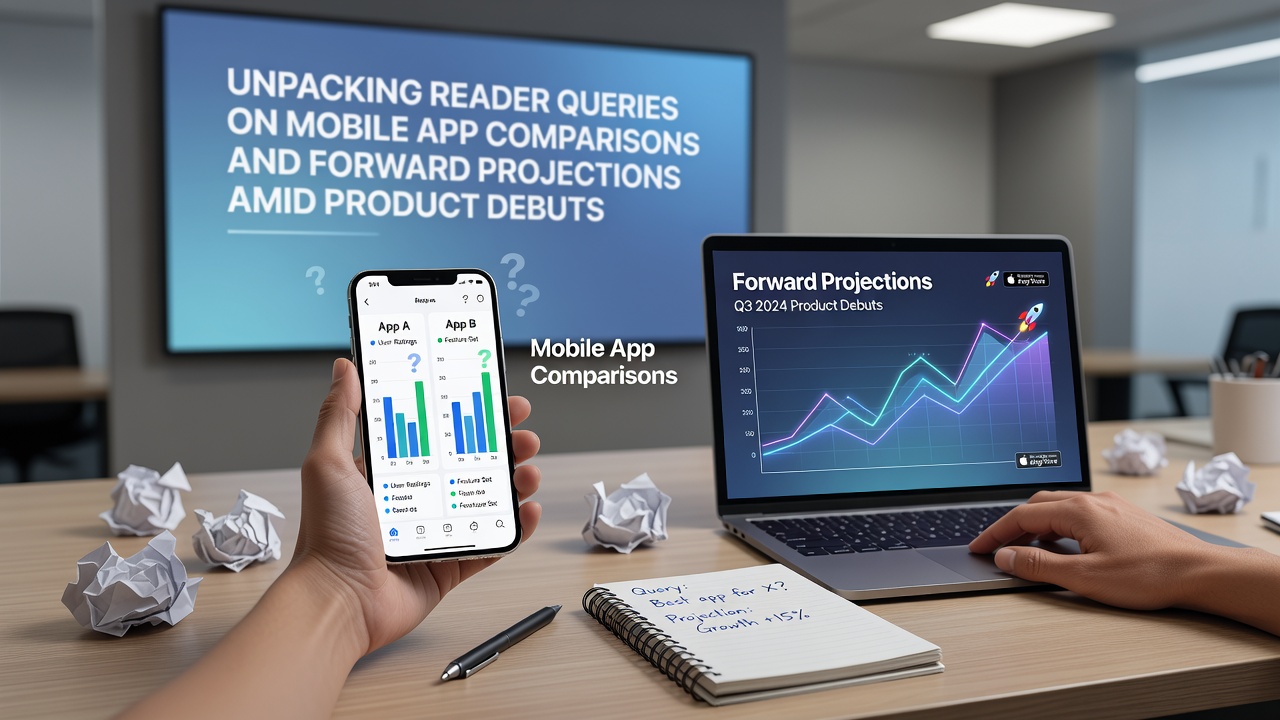
Unpacking Reader Queries on Mobile App Comparisons and Forward Projections Amid Product Debuts
Reader queries about mobile app comparisons often center on feature sets, performance benchmarks, and compatibility across platforms, while forward projections examine how new product debuts reshape those evaluations in real time. Data from app analytics platforms indicate that queries spike whenever major releases occur, and industry reports from October 2026 show increased interest in side-by-side assessments of productivity tools, health trackers, and communication suites following hardware announcements from multiple manufacturers.
Common Themes in Reader Inquiries
Analysts reviewing public forums and support channels note that users frequently request detailed breakdowns of battery usage, data synchronization speeds, and integration capabilities between competing applications. These requests arrive alongside questions about upcoming updates, because product debuts typically introduce new APIs that alter existing comparison points. Research conducted by university technology departments reveals that such queries rise by measurable margins during launch windows, and observers tracking query logs from October 2026 confirm patterns tied to announcements from both established developers and emerging startups.
One study compiled by researchers at a Canadian academic institution found that users prioritize privacy controls and cross-device continuity when evaluating options, while forward-looking questions focus on how soon new features will reach older devices. Figures released through government technology monitoring programs in Australia highlight similar trends, showing that projections often hinge on developer roadmaps published alongside debut events.
Methods for Conducting App Comparisons
Experts at research firms compile comparison frameworks that incorporate quantitative metrics such as load times, storage requirements, and API response rates alongside qualitative factors like interface navigation and accessibility compliance. These frameworks draw from standardized testing protocols developed by international standards organizations, and they allow consistent evaluation even as new versions enter the market. Data aggregated from multiple app stores demonstrate that users apply these frameworks most actively when two or more applications release updates within the same calendar quarter.
Take the case documented by analysts in 2026 where a pair of task-management applications launched revised versions on the same day; query volume on comparison sites increased noticeably because users sought clarity on differences in offline functionality and collaboration tools. Reports from the European Commission's digital innovation unit indicate that such simultaneous debuts create temporary spikes in information-seeking behavior that last several weeks.
Forward Projections During Product Launches
Industry analysts track developer statements and beta program participation rates to generate projections about feature availability timelines. These projections incorporate variables such as regulatory review periods, hardware certification processes, and regional rollout schedules. Evidence gathered by trade associations in the Asia-Pacific region shows that accurate forward estimates help users decide whether to adopt an application immediately or wait for subsequent iterations.
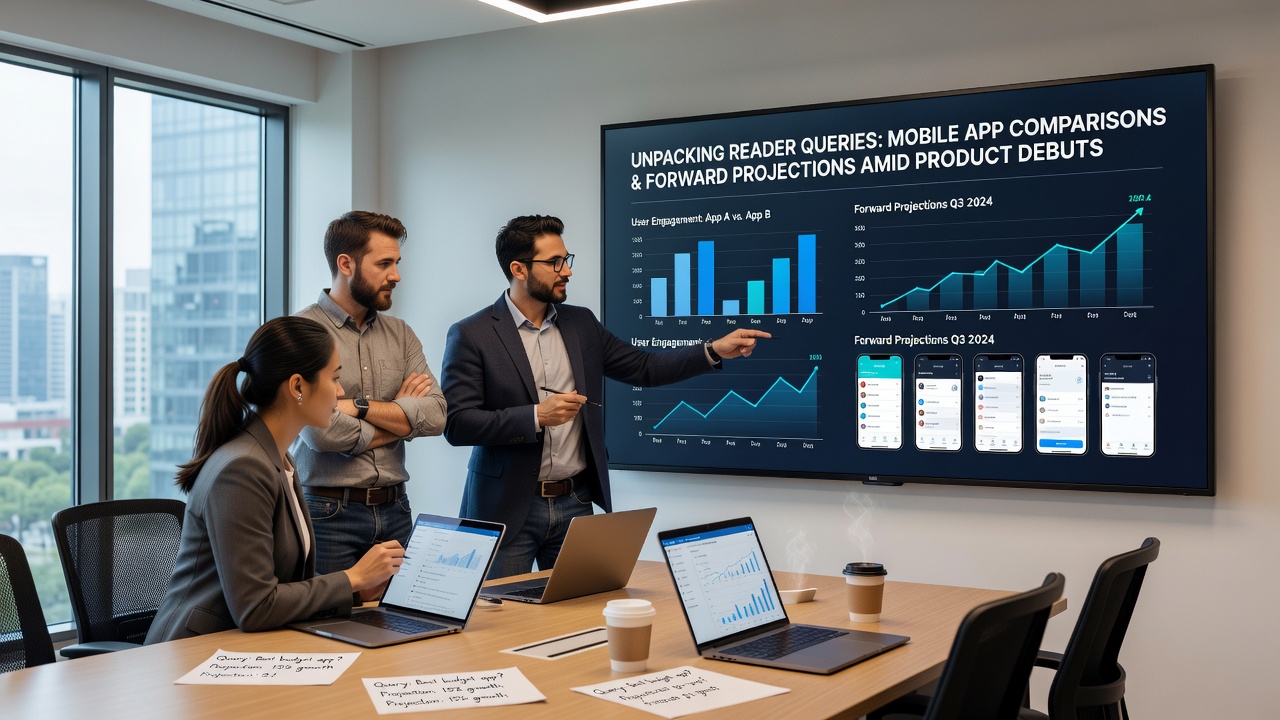
During October 2026, several major operating system updates coincided with application refreshes, prompting renewed reader interest in how legacy apps would perform under newer system constraints. Observers monitoring download statistics and review sentiment noted that projections about long-term support influenced user retention rates across multiple categories. Academic papers published by European research consortia emphasize that transparent communication from developers reduces uncertainty and stabilizes adoption curves following debut events.
Impact of Regulatory and Platform Changes
Platform policy adjustments announced alongside product launches often require developers to modify data-handling procedures, and these modifications become central topics in reader queries. Government agencies in multiple jurisdictions publish guidance documents that clarify compliance requirements, and industry groups translate those documents into practical comparison criteria for end users. Statistics compiled by research institutions indicate that queries referencing regulatory shifts increase when new rules take effect near major release dates.
Developers responding to these shifts publish updated comparison guides that highlight changes in encryption standards, permission models, and data portability options. Users who consult these guides report clearer understanding of how applications differ under revised frameworks, according to surveys conducted by independent technology watchdogs.
Conclusion
Reader queries on mobile app comparisons and forward projections reflect ongoing interest in how new product debuts alter evaluation criteria and future expectations. Data from diverse sources demonstrate that structured comparison methods, combined with evidence-based projections, help users navigate release cycles effectively. As additional launches occur, continued monitoring of query patterns provides insight into evolving user priorities across the mobile ecosystem.