
Zara Hartmann · 31 October 2026
Mapping Oversight Changes with Software Releases and Instructional Content for Emerging Audiences
Organizations track regulatory shifts alongside software version deployments because compliance requirements evolve at the same pace as code updates, and emerging users need clear guides to navigate both elements together. Data from industry reports shows that companies release software patches on average every six to eight weeks while oversight frameworks adjust quarterly in many sectors, creating overlapping cycles that demand coordinated mapping strategies.
Aligning Regulatory Timelines with Development Cycles
Software teams maintain detailed matrices that list each regulatory amendment next to the corresponding release milestone, and this approach allows developers to embed compliance features directly into builds rather than applying them after launch. Researchers at technical institutions have documented how version control systems now incorporate metadata fields for oversight references, which means a single commit can flag both code changes and policy alignments. In October 2026 several jurisdictions plan to roll out updated data handling standards that coincide with major platform updates, prompting teams to synchronize testing phases with public comment periods on new rules.
Project managers review these matrices during sprint planning meetings, and they adjust feature priorities when a regulatory deadline falls within the same month as a scheduled deployment. The result is fewer post-release corrections because requirements surface early in the design process, while documentation teams receive advance notice to prepare supporting materials.
Creating Instructional Materials for New Users
Instructional content must address both the software interface and the regulatory context that shapes its behavior, so writers structure guides around common tasks while noting where oversight rules influence available options. Observers note that beginner audiences respond better when explanations separate technical steps from compliance explanations, using side panels or expandable sections to present the latter without interrupting workflow instructions. Studies indicate that layered documentation reduces support queries by up to thirty percent because users locate answers faster when regulatory notes appear alongside practical examples.
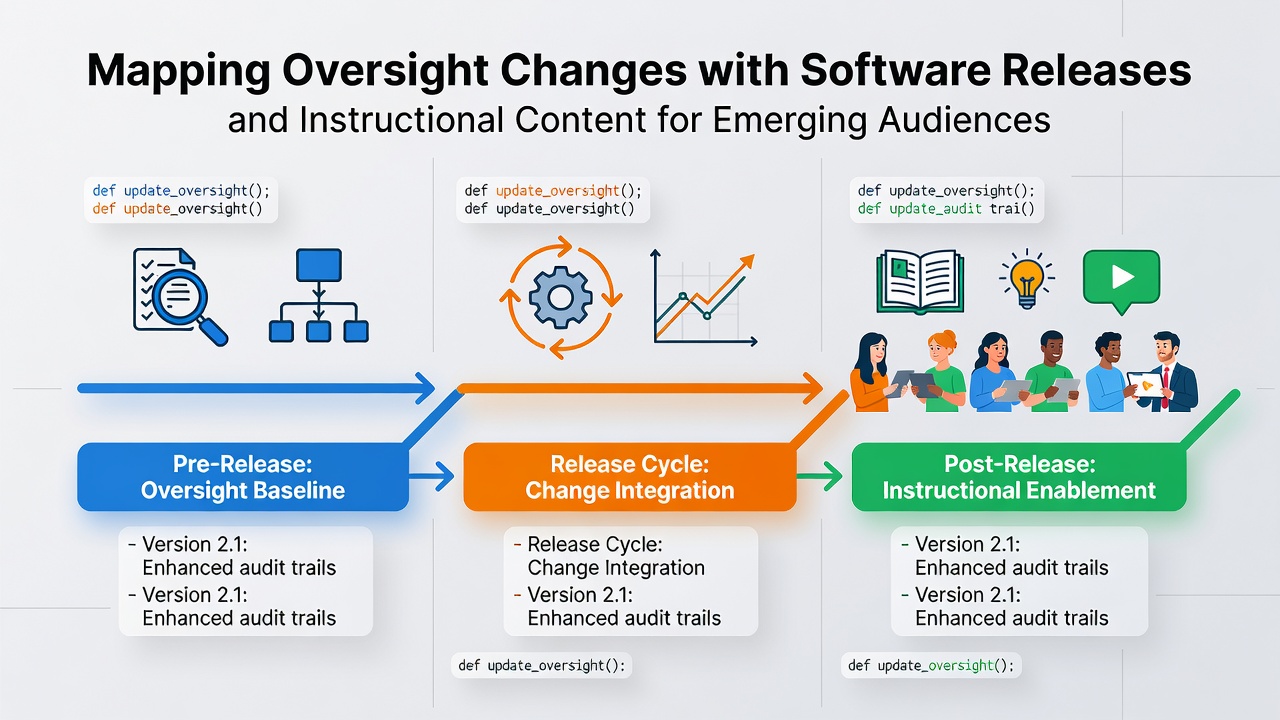
Content creators update these materials with each software release by reviewing the oversight mapping matrix first, which ensures every new function includes corresponding guidance on its regulatory implications. Training modules often incorporate scenario-based exercises that simulate real-world decisions, allowing users to practice choices that satisfy both interface requirements and oversight standards at once.
Tools and Processes for Effective Mapping
Teams employ specialized dashboards that pull data from regulatory databases and link each entry to specific code repositories, and these dashboards highlight upcoming deadlines so that developers can allocate resources before conflicts arise. According to NIST resources on cybersecurity frameworks, automated tagging systems help maintain traceability between regulatory clauses and software components across multiple release branches. European Commission reports on digital single market updates further show that cross-border teams benefit when mapping tools support multilingual annotations, because oversight language varies by region yet must align with a single global code base.
Quality assurance groups run parallel reviews that check both functional performance and compliance coverage, while instructional writers participate in these reviews to capture nuances that later appear in user documentation. The combined workflow produces release notes that list technical changes, regulatory adjustments, and links to updated guides in one consolidated document.
Examples from Recent Implementation Cycles
One development group handling enterprise analytics tools revised its release calendar in mid-2025 after new transparency rules took effect, and the adjustment allowed them to bundle related interface improvements with the compliance updates. Users received revised onboarding sequences that explained both the new reporting features and the oversight reasons behind them, which helped adoption rates remain steady despite the added complexity. Another case involved a mobile platform that coordinated with academic researchers to test beginner guides before the October 2026 rollout of enhanced accessibility standards, resulting in clearer step-by-step instructions that addressed both software navigation and regulatory expectations.
These examples illustrate how mapping processes extend beyond internal teams to include external stakeholders who provide feedback on draft materials. The practice ensures that instructional content reflects actual user questions rather than assumptions about what beginners might need.
Conclusion
Effective mapping of oversight changes with software releases creates a foundation for instructional content that serves emerging audiences without requiring separate compliance training. Organizations that maintain synchronized timelines and layered documentation see smoother transitions during update cycles, and the approach continues to evolve as regulatory bodies and development practices advance in parallel through 2026 and beyond.