Zara Hartmann · 5 September 2026
Decoding App Alerts for Tracking Shifts in Herbal Policy and New Releases
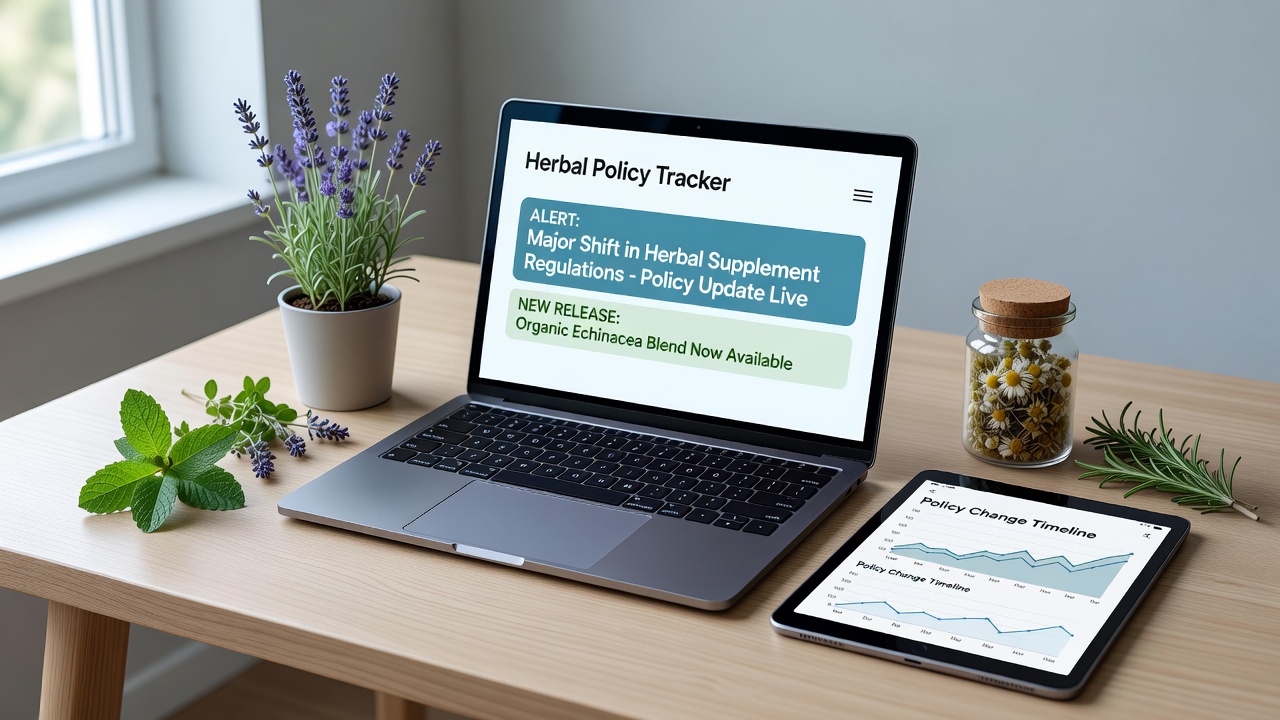
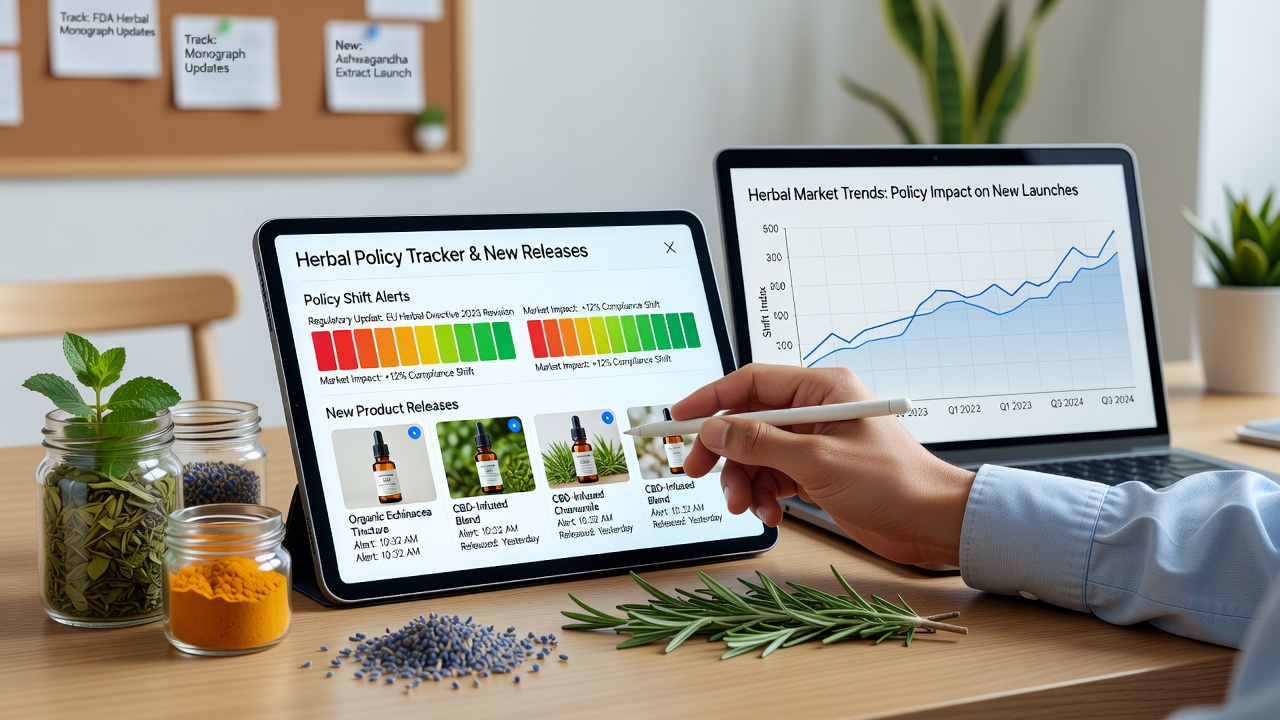
App alerts have become central tools for professionals who monitor changes in herbal regulations alongside emerging product launches, and these notifications pull data from multiple regulatory databases to flag updates in real time. Observers note that users receive structured messages when agencies revise labeling requirements, adjust permitted ingredients, or approve novel formulations, while the systems also capture announcements about new herbal extracts entering commercial distribution. Researchers have documented how these alerts consolidate information that once required manual checks across scattered government portals, and the result is faster response times for manufacturers, importers, and compliance officers who operate in this sector.
How Alert Systems Aggregate Regulatory Data
Modern platforms connect directly to official sources that publish herbal policy documents, and they translate complex legal language into concise summaries that highlight the practical impact on daily operations. Data shows that alerts often include direct references to updated monographs from bodies such as the European Medicines Agency alongside notices from the Therapeutic Goods Administration in Australia, which allows users to compare standards across jurisdictions without visiting each site individually. Those who have studied these tools report that notification preferences can be set by ingredient category, geographic region, or even specific herb families, which reduces irrelevant noise while preserving coverage of critical developments. In September 2026 several agencies are scheduled to release revised guidance on heavy metal limits in botanical supplements, and pre-configured alerts are already routing advance notices to subscribers who track this particular metric.
Interpreting Shifts in Herbal Policy Through Notifications
Policy changes arrive in several formats, and alerts distinguish between immediate enforcement actions, proposed rules open for comment, and finalized amendments that carry future compliance deadlines. Evidence suggests that users who read the full linked documents rather than relying solely on the headline summary avoid misinterpretation of scope, because many updates contain phased implementation timelines that affect only certain product classes. Experts have observed that alerts referencing maximum residue levels or new testing protocols typically link to laboratory method updates as well, which helps quality control teams prepare validation studies ahead of enforcement dates. One study revealed that companies using automated tracking reduced the average time between regulatory publication and internal policy revision from weeks to days.
Tracking New Releases Alongside Regulatory Movements
Alerts about new releases often appear in the same feed as policy notices because many jurisdictions require pre-market notification for novel herbal ingredients, and the platforms merge these two streams to show context. Figures reveal that when an alert flags both a new extract approval and a simultaneous tightening of purity standards, recipients can assess whether the recently authorized product already meets the stricter criteria or requires reformulation. Industry organizations such as the American Herbal Products Association publish parallel announcements that apps sometimes incorporate, and these documents provide additional technical details on sourcing and manufacturing that regulatory notices may omit. Observers note that cross-referencing the two sources gives a clearer picture of how a new release will navigate existing and upcoming rules.
Regional Variations in Alert Content and Timing
Different regulatory environments produce distinct alert patterns, and users who follow multiple regions learn to recognize the typical cadence of each authority. Health Canada tends to issue combined notices that cover both policy clarification and new product authorizations in single messages, whereas the Food and Drug Administration in the United States separates these topics more frequently. FDA dietary supplement guidance often arrives with detailed Q&A attachments that apps reproduce in truncated form, prompting users to open the original PDF for complete context. In the European Union, the European Food Safety Authority coordinates with national agencies, and alerts sometimes carry footnotes indicating which member states have adopted additional restrictions beyond the central text. Those who have compared alert archives across years report that certain herbs trigger more frequent updates because of ongoing safety reviews or expanding clinical data.
Practical Steps for Managing High Alert Volumes
Users who receive dozens of notifications weekly often establish triage rules that route messages into folders based on urgency tags supplied by the app itself. Research indicates that tagging systems based on keyword matching or machine learning classification help surface alerts about enforcement actions ahead of routine informational updates. Training sessions offered by platform providers demonstrate how to create custom dashboards that display only alerts affecting specific supply chains or product lines, and participants learn to export selected alerts into compliance calendars that trigger internal review deadlines. The same tools also allow archiving of resolved items, which keeps active feeds focused on open issues that still require attention.
Conclusion
App-based alert systems continue to evolve as regulatory agencies increase the frequency of digital publications, and professionals who integrate these tools into daily workflows gain earlier visibility into both policy adjustments and new release authorizations. The combination of automated aggregation, regional source diversity, and user-configurable filters produces a monitoring approach that aligns with the pace of change in the herbal sector. Continued refinement of notification logic and document-linking features is expected to further reduce the manual effort required to stay current with developments scheduled through 2026 and beyond.